2:48a describe a test for CO₃²⁻ using hydrochloric acid and identifying the gas evolved
Describe tests for anions: Carbonate ions (CO32-)
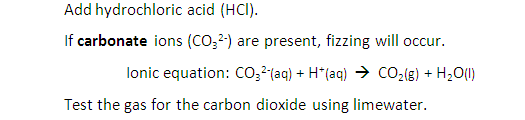


Describe tests for anions: Carbonate ions (CO32-)
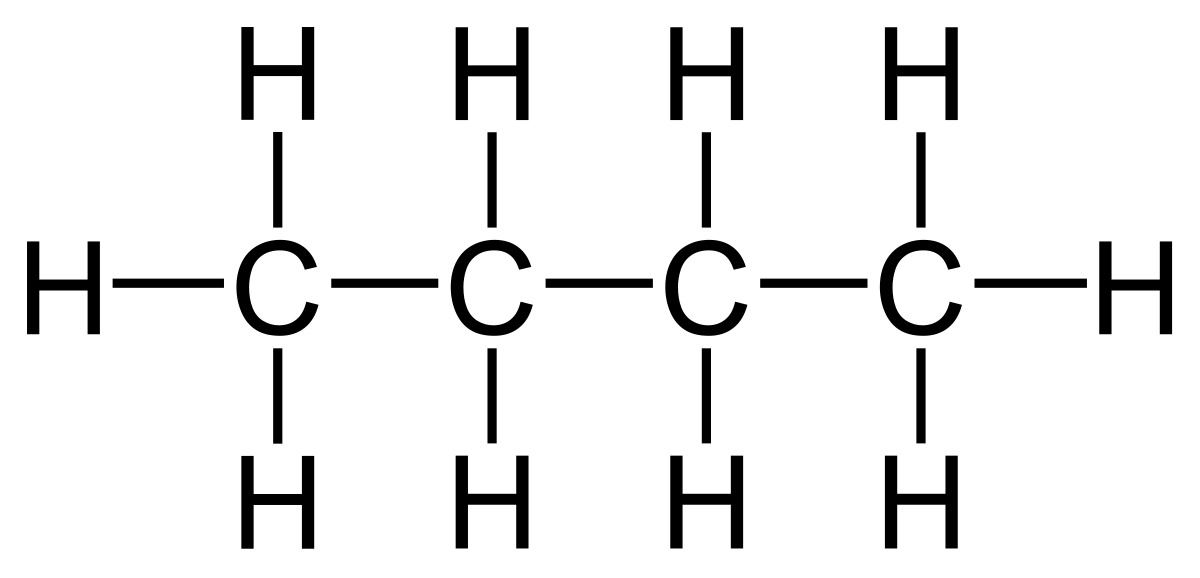
The molecular formula shows the actual number of atoms of each element in a molecule.
The general formula shows the relationship between the number of atoms of one element to another within a molecule. Members of a homologous series share the same general formula. The general formula for alkanes is CnH2n+2 and the general formula for alkenes is CnH2n.
A structural formula shows how the atoms in a molecule are joined together.
The displayed formula is a full structural formula which shows all the bonds in a molecule as individual lines.
The terms above are demonstrated with the example of butane.
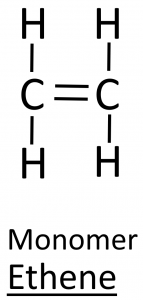
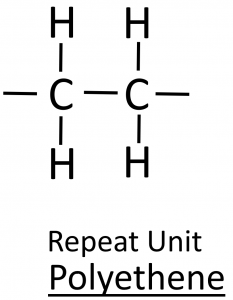
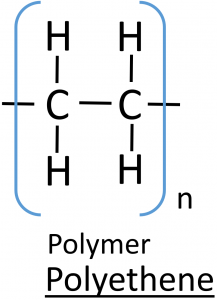
The terms above are demonstrated with the example of ethene, which contains a double bond.

| Indicator | Colour in acidic solution | Colour in alkaline solution |
|---|---|---|
| Litmus | Red | Blue |
Barrier Methods: Rusting may be prevented by stopping the water and oxygen getting to the iron with a barrier of grease, oil, paint or plastic.
Galvanising: (coating in zinc) also prevents water and oxygen getting to the iron, but with galvanising even if the barrier is broken the more reactive zinc corrodes before the less reactive iron. During the process, the zinc loses electrons to form zinc ions.
| Name of Ion | Formula | Charge |
|---|---|---|
| Sulfate | SO42- | -2 |
| Carbonate | CO32- | -2 |
| Nitrate | NO3- | -1 |
| Hydroxide | OH- | -1 |
| Ammonium | NH4+ | +1 |
| Hydrogen ion | H+ | +1 |
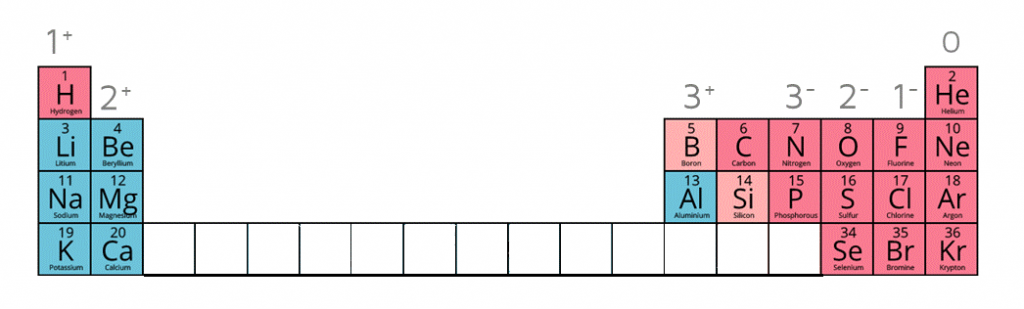
Ion charges on the periodic table
Underneath are the tests for:
Carbonate ions
sulfate ions
chloride ions
bromide ions
iodide ions
Underneath is Sodium Hydroxide added to:
Iron (II) Ions
Iron (III) Ions
Copper (II) Ions
Ammonia
Underneath are sodium, magnesium, iron, carbon, phosphorus, Sulphur burning in oxygen
Underneath are 3 acid reactions :
alkali + acid → water + salt
base + acid → water + salt
carbonate + acid → water + salt + carbon dioxide
Below is the preparation of copper sulfate crystals (CuSO4.5H2O) through the process of filtration and crystallisation
Special thanks to Charlie R for suggesting I add a video on halogen displacement.